Most children should get dental sealants on their first permanent molars as soon as they’ve fully come in, usually around age 6 to 7, and on their second permanent molars around age 11 to 14. Cavities in the deep grooves of back teeth are very common in kids and often start soon after a molar appears, so timing matters. Sealants are a quick, painless preventive step, and a pediatric dentistry exam is the best way to know when your child’s teeth are ready.
Parents are often surprised to learn that most childhood cavities start on the chewing surfaces of back teeth. Those surfaces are full of narrow pits and grooves, sometimes thinner than a toothbrush bristle. Food and bacteria settle in, and even careful brushing can’t reach the bottom. At Dara Dental Clinic, sealants are one of the simplest ways we help families avoid fillings.
Sealants are part of a broader approach to preventive dentistry that also includes fluoride, cleanings and good habits at home. We take time to explain each step to children and parents, which is central to the gentle, unhurried care described on our About Us page.
For more guides on children’s teeth, first visits and family dental care, take a look through our blog. Here’s everything parents need to know about sealant timing, safety and care.
What are dental sealants?
Dental sealants are thin, tooth-coloured or clear coatings painted onto the chewing surfaces of back teeth to seal deep grooves and block food and bacteria from settling in. They harden in seconds with a curing light and form a smooth surface that’s much easier to keep clean.
Most sealants are made from resin. Some are glass ionomer, which releases fluoride and can be used when a tooth is only partly erupted or hard to keep dry.
Why do back teeth need sealants?
Molars do most of the chewing, and their surfaces have deep fissures. In children, newly erupted molars are especially vulnerable because:
- Their enamel is still maturing and less resistant to acid for the first couple of years
- Kids are still learning to brush well, especially in the back of the mouth
- New molars sit low behind other teeth and are easy to miss
- Snacking and sugary drinks are common at this age
Research shows sealants significantly reduce cavities on the chewing surfaces of permanent molars for years after they’re placed.
When should kids get sealants? A timeline
| Tooth | Usually erupts | Best time for sealants |
|---|---|---|
| First permanent molars (“6-year molars”) | Age 6 to 7 | As soon as fully erupted, often age 6 to 8 |
| Second permanent molars (“12-year molars”) | Age 11 to 13 | As soon as fully erupted, often age 11 to 14 |
| Premolars (if deep grooves) | Age 10 to 12 | Case by case |
| Baby molars (if high risk) | Age 1 to 3 | Sometimes recommended for high-risk children |
The ideal window is soon after the whole chewing surface is visible above the gum. Waiting too long gives decay a head start.
Can adults or teens get sealants?
Yes. Teens and adults with deep grooves and no decay or fillings on those surfaces can benefit too, especially if they have a history of cavities. Sealants can’t be placed over existing decay, though, so a careful exam comes first.
How are sealants placed? (step by step)
- Exam: the dentist checks that the tooth is healthy and fully erupted.
- Cleaning: the chewing surface is polished to remove plaque.
- Isolation: cotton rolls or a small shield keep the tooth dry.
- Etching: a mild solution roughens the surface slightly so the sealant bonds.
- Rinse and dry.
- Application: the sealant is painted into the grooves.
- Curing: a blue light hardens it in seconds.
- Bite check: the dentist makes sure it feels smooth and comfortable.
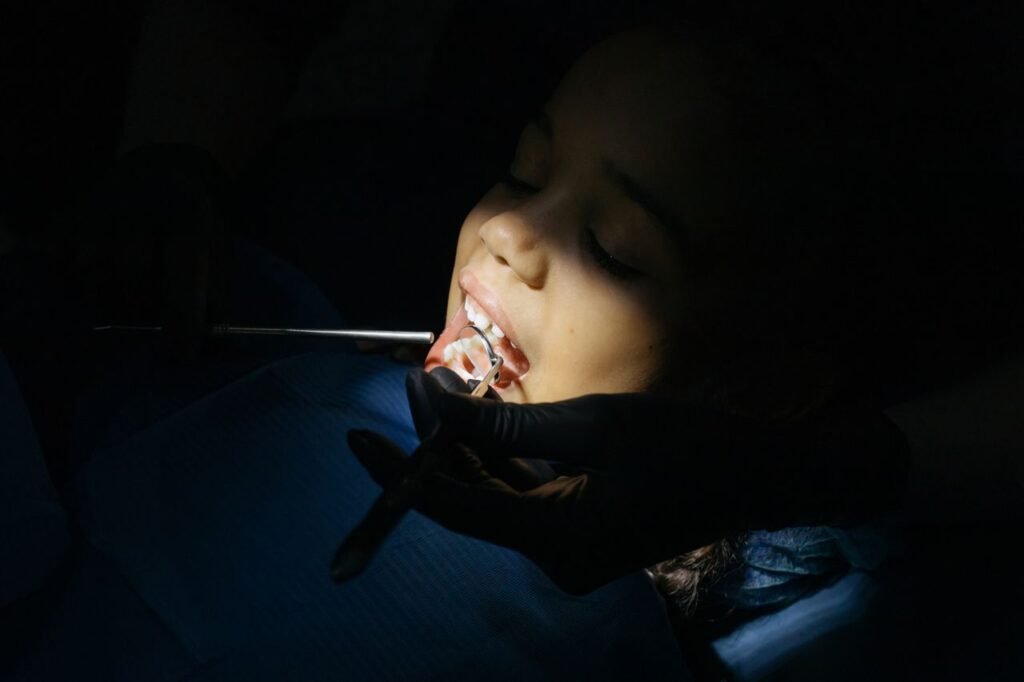
No needles, no drilling, no numbing. Each tooth takes just a few minutes, and most kids find it easy.
Tip: keeping a tooth dry is the hardest part for young kids. A short practice of “open wide and stay still” at home, plus a favourite show on the ceiling screen, helps a lot.
How long do sealants last?
Sealants can last 5 to 10 years, sometimes longer. They’re checked at every dental visit. If a sealant chips or wears, it can usually be repaired or reapplied quickly.
Are sealants safe?
Yes. Dental sealants have been used for decades and are supported by major dental organizations, including the Canadian Dental Association.
You may have read concerns about BPA. Some sealant materials can release a trace amount right after placement, far below everyday exposure from food packaging and receipts. Rinsing after placement reduces this further, and many modern sealants are made without BPA-derived ingredients. Ask your dental team which product they use if you’d like details.
Safety note: sealants protect chewing surfaces only. They don’t protect the sides of teeth or the spaces between them, so brushing, flossing and fluoride still matter. If your child has tooth pain, swelling or a dark spot on a tooth, book an exam promptly. This article is general information and doesn’t replace an individual assessment by a licensed dental professional.
Sealants vs fluoride: do kids need both?
- Sealants block the grooves on chewing surfaces.
- Fluoride strengthens enamel on all surfaces, including between teeth.
They work best together. Many children get fluoride at checkups and sealants when new molars arrive.
How can you tell a new molar is coming in?
The 6-year and 12-year molars don’t replace any baby teeth. They appear behind the last tooth in each row, so they’re easy to miss. Watch for:
- Your child chewing on one side or complaining about the back of the mouth
- Slightly swollen or tender gum behind the last tooth
- A white edge of tooth poking through the gum
- Drooling or putting fingers in the back of the mouth (in younger kids)
- Mild irritability, usually lasting only a few days
Once you spot a new molar, mention it at the next visit. If it’s partly through, the dentist may wait a few weeks, or use a fluoride-releasing glass ionomer sealant as a temporary shield until the tooth is fully up.
How to prepare a nervous child for sealants
- Use simple, positive words. “The dentist will paint a raincoat on your teeth to keep the sugar bugs out.”
- Avoid scary words like “needle,” “drill” or “hurt,” since none apply here.
- Practise at home: open wide and count to 10 while you shine a flashlight.
- Book a morning appointment when kids are usually more rested.
- Bring a comfort item like a small toy or favourite blanket.
- Let the team lead. Pediatric-focused teams are used to explaining each step in kid-friendly language.
Caring for sealants at home
- Brush twice a day as usual; sealants don’t need special toothpaste
- Avoid chewing ice, hard candy and pens, which can chip sealants
- Limit very sticky candies like toffee that can pull at edges
- Keep up with checkups so sealants can be inspected and touched up
What if a sealant falls off?
It’s not an emergency. Mention it at the next visit, or call if your child feels a rough spot. The dentist will check the tooth and reapply the sealant if needed, usually in a few minutes.
Myths about sealants
“Sealants are only for kids with lots of cavities.”
Even children with no cavities benefit because new molars are naturally vulnerable.
“Sealants trap decay underneath.”
Sealants are placed only on healthy surfaces. Studies show that sealing very early, non-cavitated decay can actually stop it from progressing, because bacteria are cut off from food.
“Sealants mean you don’t need to brush back teeth.”
Brushing is still essential. Sealants protect the grooves; everything else still needs cleaning.
“Baby teeth don’t need protection.”
Baby molars stay until about age 10 to 12. Decay in them can cause pain and infection, so high-risk kids sometimes benefit from sealants on baby teeth too.
Do sealants change how teeth feel or look?
Most children don’t notice them at all after the first few minutes. Clear or tooth-coloured sealants blend in with the natural tooth, and they sit only in the grooves on top of back teeth, so nobody can see them when your child smiles. Occasionally a sealant feels slightly high when biting; the dentist checks for this before your child leaves and smooths it if needed.
A real-world example
A Thornhill family brought in twins for their 7-year checkup. Both had new first molars with very deep grooves. One twin had sealants placed that day; the other was nervous, so the family decided to wait.
A year later, the sealed twin had no cavities. The other had a small cavity starting in the groove of a molar and needed a filling. After that, the family booked sealants for the second molars as soon as they appeared.
Which kids benefit most from sealants?
Almost every child with new permanent molars benefits, but sealants are especially worth prioritizing if your child:
- Has had cavities in baby teeth
- Has very deep, narrow grooves on the molars
- Wears braces or will start orthodontic treatment soon
- Snacks often or drinks juice or sports drinks between meals
- Has special health needs that make brushing harder
- Takes medications that cause dry mouth
Even for low-risk kids, sealants are a simple step that can save a filling later. Your dentist will help you decide based on your child’s teeth and habits.
How parents can protect new molars
- Help with brushing until about age 8, and check afterward
- Use a pea-sized amount of fluoride toothpaste
- Start flossing once teeth touch
- Keep sugary snacks and drinks to mealtimes
- Offer water between meals
- Book checkups every 6 months
- Ask about sealants as soon as new molars appear
Gentle pediatric dentistry in Thornhill
If you’re looking for a Pediatric Dentist Thornhill families feel comfortable with, Dara Dental Clinic offers unhurried, warm and refined care that combines craftsmanship with quiet hospitality. We take time to make kids feel safe and parents feel informed.
As a Family Dentist Thornhill households trust, we provide preventive dentistry (cleanings, exams and fillings), teeth whitening, dental implants, pediatric dentistry, dental veneers and clear aligners, using advanced technology and a strong focus on comfort for patients of all ages.
All care is provided by licensed dental professionals registered with the Royal College of Dental Surgeons of Ontario (RCDSO). Visit us at Suite 116, 8188 Yonge Street, Vaughan, Ontario L4J 0M2, call 647-699-9485, or email info@daradentalclinic.ca. Book online at daradentalclinic.ca for your child’s next checkup.
Frequently asked questions
Do dental sealants hurt?
No. Sealants are painted on without needles, drilling or numbing. Most children only notice the taste of the etching solution and the bright curing light.
Can sealants be placed on baby teeth?
Yes, in some cases. Children at high risk of cavities may benefit from sealants on baby molars, which stay in the mouth until about age 10 to 12.
How do I know if my child’s sealant is worn?
Your dentist checks sealants at every visit. You may notice a rough spot or missing piece, but often wear isn’t visible at home. Worn sealants can be repaired or reapplied.
Can my child eat after getting sealants?
Yes. Sealants harden instantly with the curing light, so children can eat and drink normally right after the appointment.
Are dental sealants covered by insurance?
Many dental plans cover sealants for children’s permanent molars. Coverage varies, so check your plan or ask the clinic to help you understand your benefits.
Conclusion
Most kids should get sealants on their first permanent molars around age 6 to 7 and their second molars around age 11 to 14. Sealants are quick, painless and very effective at preventing cavities in deep grooves. Combined with fluoride, brushing and regular checkups, they give new teeth a strong start.